
In the fight against airborne illnesses and environmental hazards, the N95 mask has become a vital tool for personal health protection. Designed to filter out at least 95% of airborne particles, it offers a level of defense that goes beyond standard cloth or surgical masks. Understanding why N95 masks are so effective can help you make informed decisions about when and how to use them for maximum safety.
Superior Filtration Efficiency
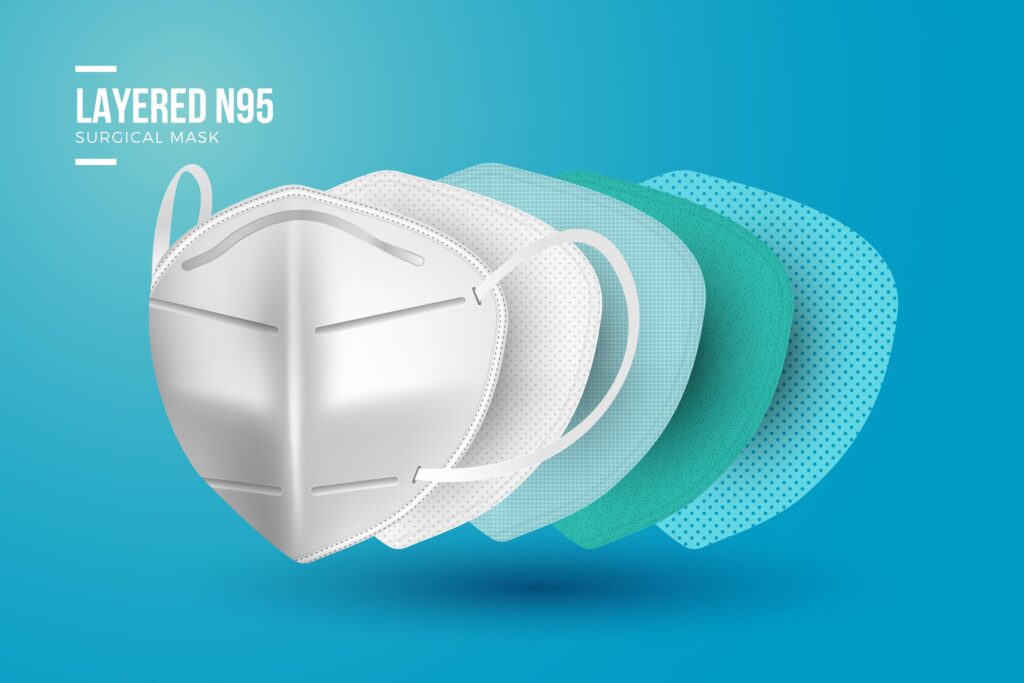
N95 masks are engineered with multiple layers of specialized material that can trap microscopic particles, including dust, bacteria, and viruses. Their filtration efficiency makes them especially valuable in high-risk environments such as hospitals, crowded public spaces, or areas with poor air quality.
Snug and Secure Fit
Unlike many masks that leave gaps around the edges, N95 masks are designed to fit tightly against the face, creating a seal that minimizes the risk of airborne particles leaking in. This secure fit is a key factor in their ability to provide reliable protection.
Effective in Various Environments
N95 masks are not just for healthcare settings. They are also effective for protection against pollutants, allergens, and fine particulate matter from wildfires or industrial work. This versatility makes them an essential health tool in a range of everyday and emergency situations.
Protection for Vulnerable Individuals
For people with weakened immune systems, respiratory conditions, or chronic illnesses, N95 masks provide an extra layer of defense. By reducing exposure to harmful particles, they help lower the risk of infections and complications that could have serious health consequences.
Long-Term Health Benefits
Consistently using N95 masks in high-risk situations can help prevent respiratory illnesses, reduce allergen exposure, and protect against the harmful effects of air pollution. Over time, this preventive approach supports better overall lung health and well-being.
Conclusion
N95 masks offer superior protection thanks to their advanced filtration, secure fit, and adaptability to various environments. Whether you are safeguarding yourself from airborne diseases, pollution, or allergens, they remain one of the most effective tools available for personal health protection. Using them wisely and consistently can be a simple yet powerful step toward maintaining long-term health.


